

Open adoption isn’t just a trend; it’s a heartwarming journey that redefines family. Imagine a world where love knows no boundaries and the traditional playbook gets tossed out the window. In open adoption, birth parents and adoptive families create a unique bond that fosters connection, understanding, and shared joy. It’s like hosting a family reunion—minus the awkward small talk and questionable potato salad.
This approach allows children to grow up knowing their roots while basking in the warmth of their adoptive families. It’s a win-win that promotes transparency and nurtures relationships. So, if you’re curious about how open adoption can transform lives and create a tapestry of love, stick around. You might just discover that this unconventional path leads to the most beautiful of destinations.
Understanding Open Adoption
Open adoption involves a collaborative relationship between birth parents and adoptive families. This arrangement fosters communication and connection, benefiting all parties.
Definition of Open Adoption
Open adoption refers to a type of adoption where ongoing contact occurs between birth parents and adoptive families. Birth parents may participate in important decisions regarding the child’s life. This involvement creates a supportive environment, promoting relationships based on trust and transparency. Knowledge about their biological background becomes accessible for adopted children, allowing them to develop a sense of identity. Privacy levels vary, but open lines of communication are possible, offering an inclusive experience for everyone involved.
Types of Open Adoption
Several types of open adoption exist, each varying in the degree of contact allowed between birth parents and adoptive families. Full open adoption permits regular communication, including visits and phone calls, fostering a close-knit relationship. Semi-open adoption allows for limited contact, often through third-party intermediaries, ensuring privacy while still maintaining a connection. Closed adoption involves no contact, keeping the identities of both parties confidential. Each type serves different needs, allowing families to choose the level of openness that suits their circumstances best.
Benefits of Open Adoption
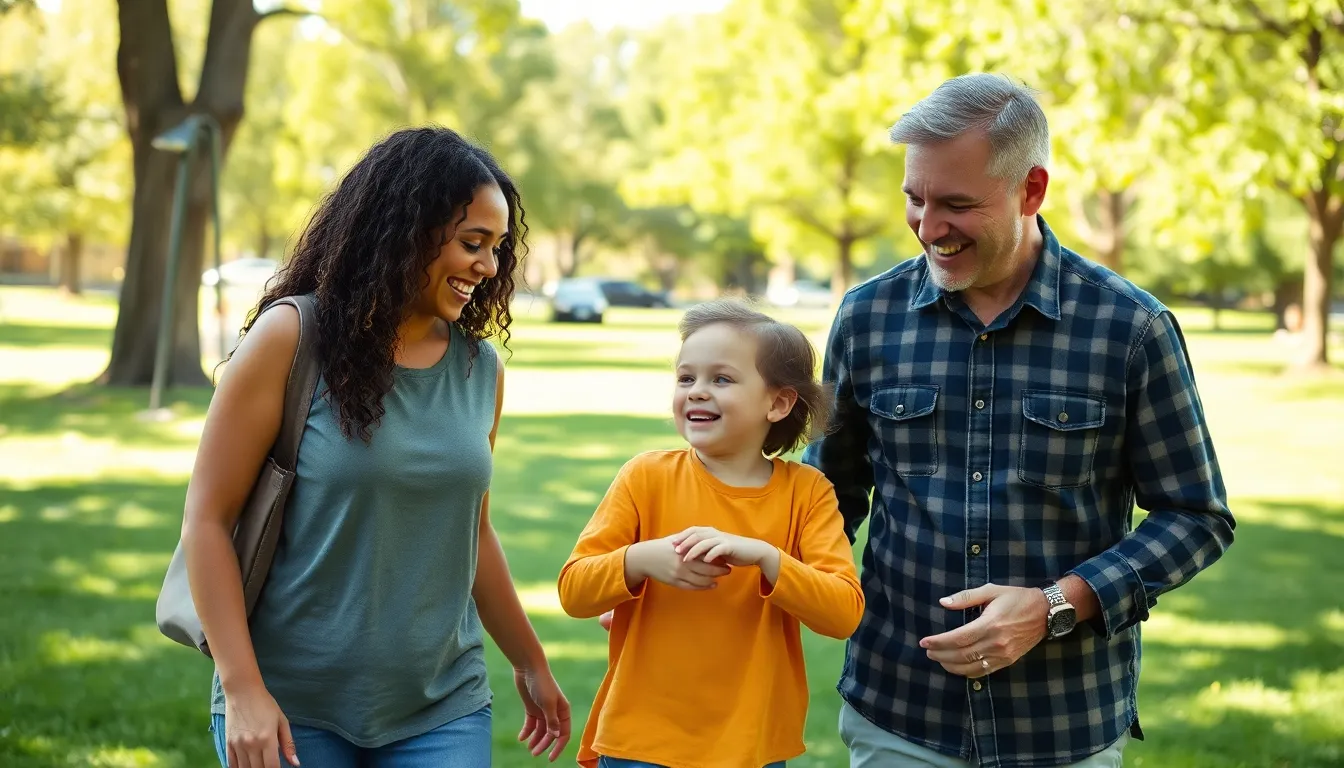
Open adoption fosters unique advantages for everyone involved, creating meaningful connections and enhancing relationships.
For Birth Parents
Birth parents often experience emotional comfort knowing their child maintains a connection with them. They can actively participate in significant decisions, which can relieve feelings of loss. Open lines of communication allow for a gradual easing of anxiety regarding their children’s well-being. Whenever they feel ready, they can share important aspects of their family’s history and culture, promoting identity and belonging. Relationships can grow stronger as both parties work together, fostering collaboration and understanding.
For Adoptive Parents
Adoptive parents gain the opportunity to build trust and transparency with birth parents. Open adoption creates a supportive environment for the adoptive family, promoting a sense of security for both parents and children. They can receive valuable insights from birth parents about the child’s background, contributing to informed parenting. Parents may also embrace the chance to witness milestones together, enhancing a shared family experience. Constant communication can strengthen bonds and facilitate a more profound understanding of the child’s needs.
For Adopted Children
Adopted children benefit from knowing their roots, which fosters a stronger sense of identity. They often feel more secure when they understand their history and connections to birth parents. Access to ongoing relationships can alleviate feelings of abandonment and confusion. Children may learn about their cultural heritage through regular interactions, enriching their perspectives. Understanding their adoption story can lead to healthier emotional development and promote resilience, providing a solid foundation for future relationships.
Challenges of Open Adoption
Open adoption presents unique challenges that both birth parents and adoptive families face. Understanding these obstacles helps in navigating the complexities of this arrangement.
Emotional Challenges
Emotional challenges can arise as bonds develop between birth parents and adoptive families. Birth parents may experience conflicting feelings of loss and joy when maintaining a relationship with their child. Adoptive parents might grapple with concerns about the child’s attachment to their birth family. Children can feel confusion about their identity, especially when balancing relationships with both families. Ongoing communication often requires emotional resilience to handle shifts in feelings and expectations. Both sides must prioritize open dialogue to address these emotional hurdles effectively.
Legal Considerations
Legal considerations play a critical role in open adoption. Different states have varying laws governing the rights and responsibilities of birth parents and adoptive families. Legal agreements often outline the level of contact and communication, ensuring clarity and protection for both parties. Understanding these regulations helps prevent future misunderstandings or disputes. Establishing a binding agreement can provide security and peace of mind, while also promoting trust between the families involved. Legal frameworks support a positive environment for open adoption when properly adhered to.
Best Practices for Open Adoption
Navigating open adoption involves understanding key practices that enhance relationships and promote well-being for all parties involved.
Communication Strategies
Effective communication serves as the cornerstone of open adoption. Establishing regular check-ins allows for sharing updates about the child’s growth, fostering a sense of mutual involvement. Using honest conversations helps address any worries or misconceptions, reinforcing trust between birth parents and adoptive families. Opting for face-to-face meetings or video calls can strengthen connections and provide opportunities for deeper engagement. Sharing feelings openly encourages emotional well-being for everyone involved, while also creating a safe space to discuss concerns as they arise. Ultimately, prioritizing transparent communication fosters enduring relationships.
Setting Boundaries
Setting clear boundaries proves essential in open adoption. Identifying roles and expectations early on helps prevent misunderstandings and ensures everyone feels comfortable. Defining the type and frequency of contact maintains balance in relationships, allowing birth parents and adoptive families to operate within their comfort zones. Respecting privacy enhances trust, encouraging both parties to share their thoughts without fear of overstepping. Periodic reviews of established boundaries can help adapt to changing circumstances, ensuring that needs and preferences continue to align. Overall, setting boundaries establishes a secure framework that promotes healthy interactions.
Open adoption offers a unique and enriching experience for everyone involved. By fostering ongoing relationships between birth parents and adoptive families, it creates a supportive environment where trust and transparency thrive. This model not only benefits the emotional well-being of children but also strengthens the bonds that define modern families.
Navigating the complexities of open adoption requires commitment and communication. By embracing the journey with an open heart and mind, families can create a loving atmosphere that honors the child’s roots while nurturing their growth. The potential for connection and understanding makes open adoption a valuable choice for many, paving the way for a brighter future for all.


